
Make architecture decisions across changing constraints.
A five-week live cohort with Luca Mezzalira for experienced engineers and architects responsible for decisions that cross systems, teams, platforms, or organizational boundaries.
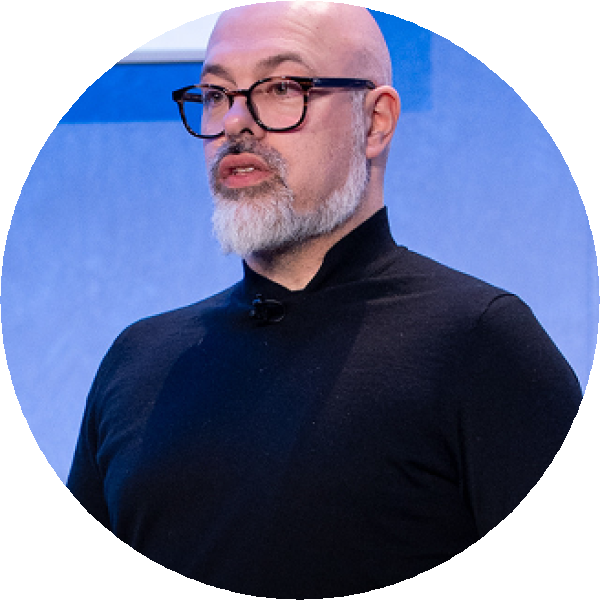
Architecture decisions change when they meet the organization.
Architecture decisions do not stay technical for long. They meet team boundaries, platform constraints, delivery incentives, reliability expectations, and organizational history.
The difficult part is often not finding an option. It is deciding which trade-offs fit this environment, explaining them clearly, and knowing when a decision should remain centralized or move closer to the team making it.
Across five weeks, compare those decisions with experienced practitioners working in different companies and industries, then apply the thinking to architecture work already in motion.
Full syllabus
Architecture
Work through the evolving role of the architect and core resilience patterns for distributed systems, including timeouts, retries, and idempotency. Weigh infrastructure choices and articulate the trade-offs.
Decentralized Decisions
Examine the sociotechnical side of architecture: how teams can make their own architecture decisions within boundaries that prevent local changes from creating system-wide problems.
Platform
Treat platform engineering as a sociotechnical practice. Work through standardization versus flexibility and what drives genuine developer adoption rather than shadow IT.
AI
Examine the architectural challenges introduced by AI, including systems thinking for agents and multi-agent architectures, with the focus on constraints and trade-offs.
AI in Architecture, and Capstone Presentations
Examine the practical state of AI in the software development lifecycle. Most of the session is capstone presentations and peer discussion.
Get the cohort details in your inbox.
We’ll send you the schedule, facilitator, full syllabus, weekly time commitment, price, registration link, and manager approval page in one email.
A live certification cohort, not another self-paced course.
Selected QCon and InfoQ technical material provides a starting point. The live sessions are where the group examines trade-offs, challenges assumptions, and sees how the same issue changes in other environments.
Between sessions, put the thinking into practice against systems, proposals, controls, assessments, or decisions you already own.
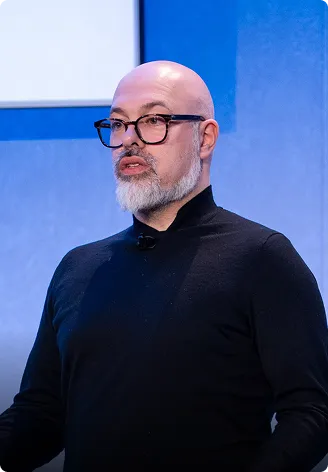
Luca stays with the cohort across the five weeks so later discussions can build on what participants tried between sessions.
How the five weeks work
Compare where the same control changes.
A control that works in one environment can behave differently when the data, architecture, regulation, threat model, team structure, or operating constraints change.
The cohort gives you other reference points while the decision is still current. The value is not generic networking. It is seeing where an approach transfers, where it changes, and why.
Finish with an assessment in Architect Program you can point to.
Develop a documented risk assessment and mitigation report for an AI product architecture and present the work as part of the cohort.
Complete the current attendance, participation, and capstone requirements to earn the InfoQ Certified Architect Program credential.
See the kind of work the capstone produces.
The capstone is developed as a professional technical article built around a documented risk assessment and mitigation report for an AI product architecture. Selected work may be published on InfoQ under the current program terms.
Is this the right cohort for the work you own?
Designed for experienced practitioners, generally with at least five years of professional experience.
Start from QCon and InfoQ technical material.
Selected QCon talks and InfoQ technical material provide the starting point for the cohort. The live sessions are where participants examine those ideas against different systems, organizations, and constraints.
Open the shared Convince Your Manager page with this cohort preselected. The guided prompt uses the current October 14 intake facts and asks about your role, current work, the problem you want to work through, what your manager cares about, and the most likely objection.
It then drafts a ready-to-send manager email, a version under 150 words for Slack or Teams, five short talking points, and one note on any missing detail that would materially strengthen the request.
Cohort questions
Make architecture decisions across changing constraints.
with Luca Mezzalira
Sign up for event updates
Hear about the latest InfoQ developments. Be the first to learn about our in-person and virtual events.