
Move important AI decisions forward.
Five-week live certification cohorts for senior engineers working on production AI systems, AI security and privacy, and coding-agent engineering.

“Now I feel I’ve really fast tracked and can bring this back to our teams.”
AI engineering is moving faster than the playbook.
Teams are making decisions about agents, context, evaluation, security, permissions, and production reliability while many of the practices are still changing.
Finding another article or demo is rarely the hard part. The harder part is deciding what applies to your system, what changes under your constraints, and what you should do next.
The cohorts give that process a structure. You examine the work with experienced practitioners from other organizations, see how the same decisions change in different environments, and put the thinking into practice between sessions.
Which AI program fits the work you own?
Production AI systems, security and privacy, and coding-agent workflows create different decisions.
See the next available dates, facilitators, schedules, technical focus, and price for each intake.
Building AI systems that hold up in production. (Los Angeles time)
Description: AI-native engineering, RAG and context pipelines, AI agents, platform and infrastructure, evals and reliability.
Building AI Systems that hold up in production. (Berlin time)
AI-native engineering, RAG and context pipelines, AI agents, platform and infrastructure, evals and reliability.
Building AI systems that hold up in production. (Los Angeles time)
AI-native engineering, RAG and context pipelines, AI agents, platform and infrastructure, evals and reliability.
AI engineering is moving faster than the playbook.
Teams are making decisions about agents, context, evaluation, security, permissions, and production reliability while many of the practices are still changing.
Finding another article or demo is rarely the hard part. The harder part is deciding what applies to your system, what changes under your constraints, and what you should do next.
The cohorts give that process a structure. You examine the work with experienced practitioners from other organizations, see how the same decisions change in different environments, and put the thinking into practice between sessions.
Who leads the cohorts?
Each cohort is led by one facilitator or facilitator pair throughout the five weeks. That continuity means later sessions can build on what participants tried between sessions.
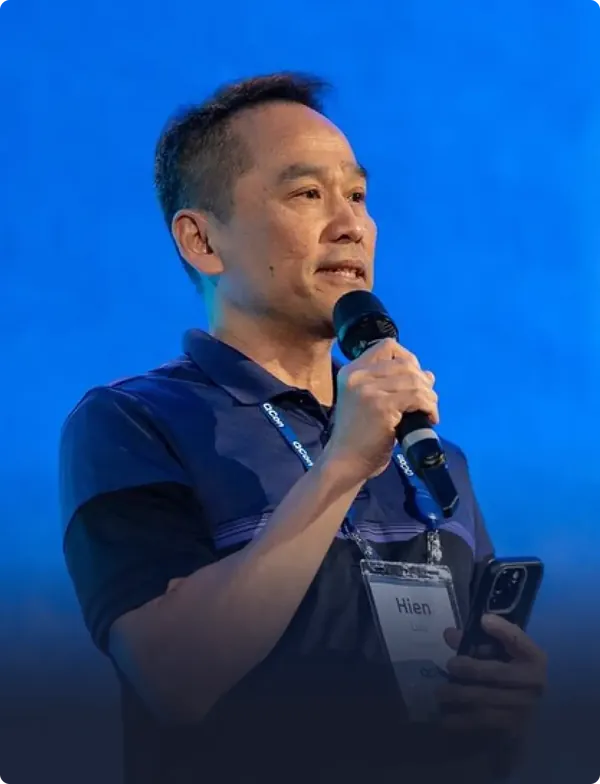
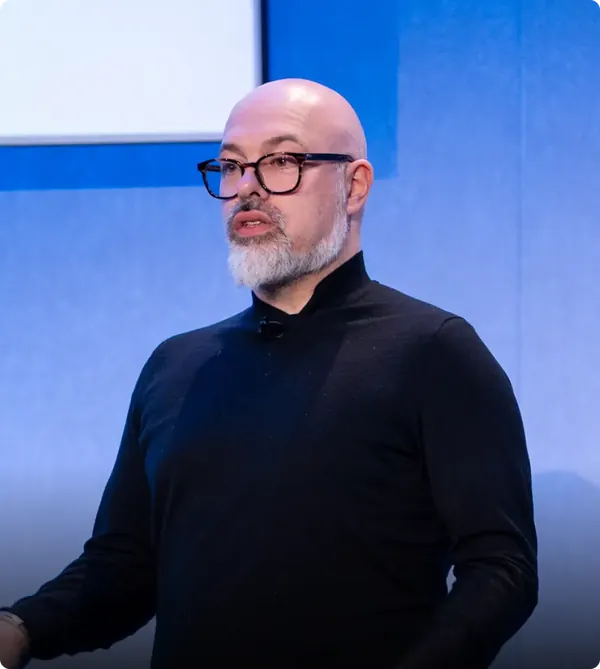
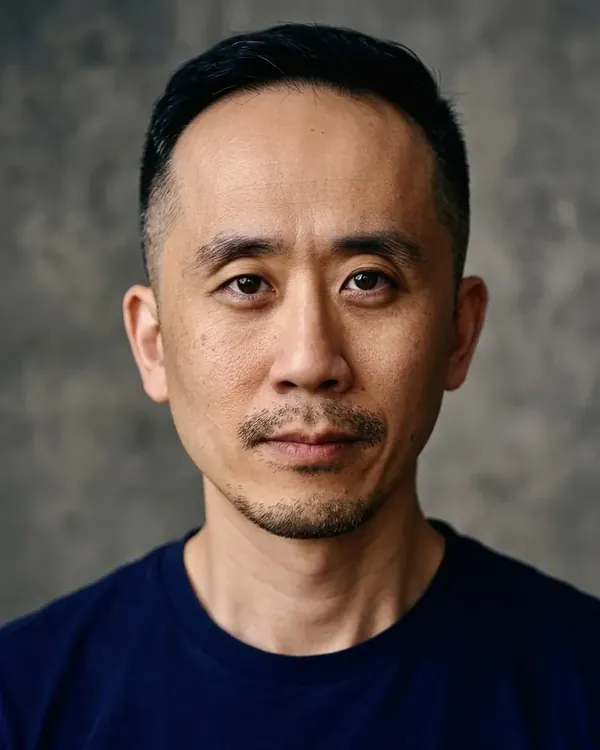
Sr. Engineering Manager at Zoox. Author of MLOps with Ray and Beginning Apache Spark 3. QCon speaker.
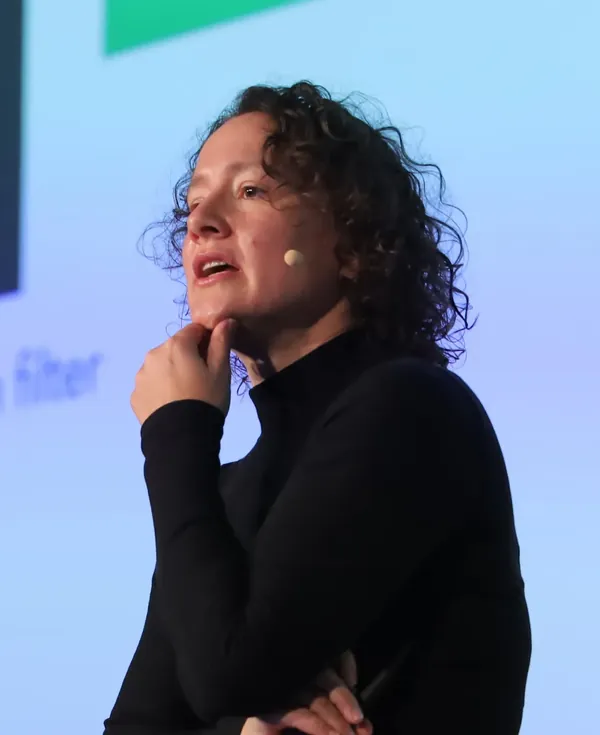
Author of Practical Data Privacy. Privacy and security specialist in ML and AI systems.
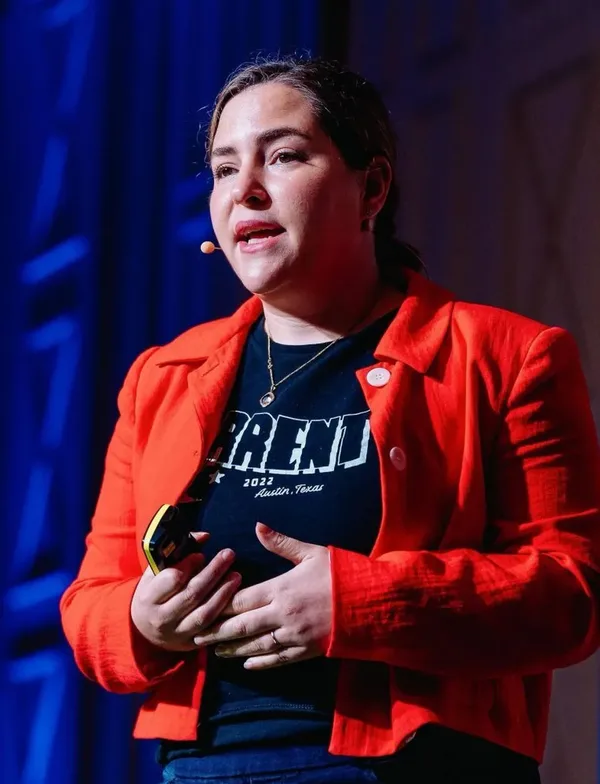
Director, Advocacy and Developer Experience Engineering @Confluent
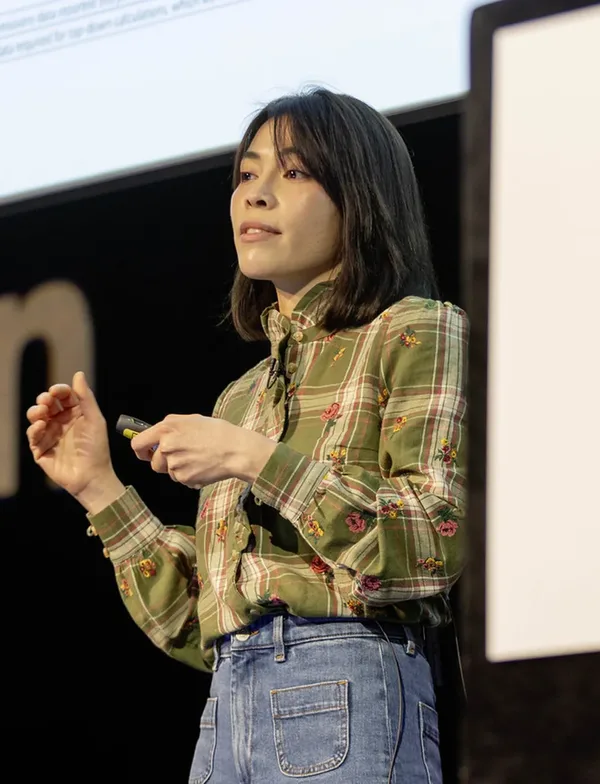
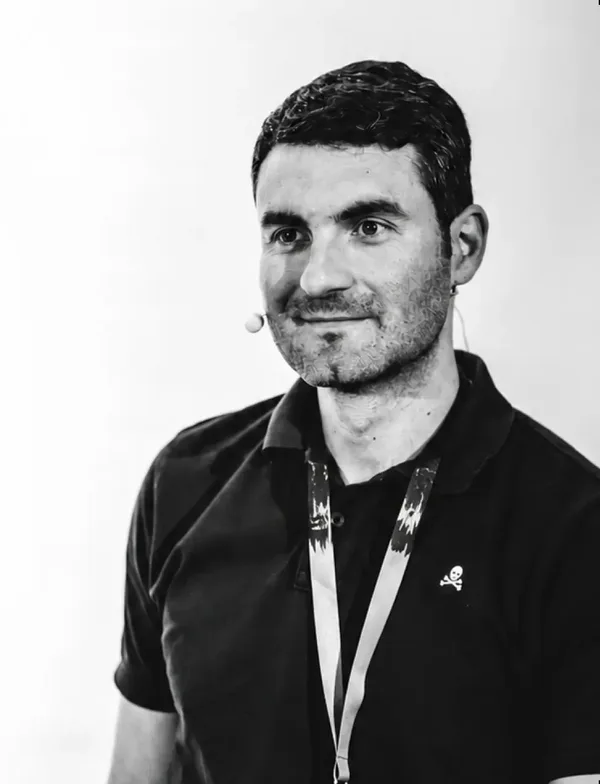
Principal Engineer, Author & QCon London 2026 speaker
How the five weeks work.
Selected QCon and InfoQ material provides a starting point. The live sessions are where participants examine the approach, challenge assumptions, and hear how the same decision changes in other environments.
Between sessions, participants put the thinking into practice in work they already own. The next session builds on what happened.
- 5 weeks
- One cohort, start to finish
- 4 live hours
- Each week
- Time-boxed
- Work between sessions
- Capstone
- In week five
Compare your assumptions with people working elsewhere.
Your experience is shaped by the systems and organizations you have worked in. The cohort puts your reasoning alongside experienced practitioners dealing with different architecture, scale, regulation, incentives, and team structures.
The useful comparison is where an approach transfers, where it changes, and why. You still own the decision and what happens next in your environment.
Finish with work you can point to.
Each AI program ends with a program-specific capstone based on the work covered across the five weeks.
The exact artifact depends on the program. The current capstone requirements are shown on each cohort page.
 eMag
Architecture in the Age of AI: Change and Opportunity
InfoQ eMag #122 · Jan 2026
Article
Jul 2026
An Evolutionary Architecture Pattern for Managing AI’s Pace of Change
Joe Price, Branimir Đurek, Pavlos Migkiros, Trevor Dearham
Article
Jul 2026
Comprehension at AI Speed: Building a Context Store for Evolutionary Architecture
Stella Berhe, Stephan Bragner, Vikram Maran, Anand Jayaraman
The AI programs have not published a capstone yet. These are AI-themed capstones from the Architecture cohorts.
What kind of certification is this?
Each AI program awards a program-specific InfoQ certification. It is earned through consistent attendance and active participation in the live sessions, plus successful completion of that program’s capstone.
- Type
- Live, cohort-based certification
- Earned through
- Attendance + active participation + successful capstone
- Credential
- Program-specific InfoQ certification
- Share
- Add the certification to your LinkedIn profile
What changed after the cohort.
“To be able to provide the business value to see where we can add agentic workflows within our applications itself, not just the actual development workflows.”
Who are InfoQ AI certification programs for?
Designed for experienced software practitioners already responsible for production AI systems, AI security and privacy, or coding-agent engineering.
The programs are designed for experienced practitioners, generally with at least five years of professional experience.
The technical material and practitioner network come from InfoQ and QCon.
A QCon talk or InfoQ article can introduce a practitioner's approach. In these cohorts, one practitioner stays with the same group for five weeks while participants apply the material to their own systems, teams, and constraints.
AI topic FAQ
Which AI program should I choose? + −
Choose based on the decisions you are responsible for.
- AI Engineering
- Building and operating production AI systems.
- AI Security & Privacy Engineering
- Sensitive data, threats, controls, evaluation, governance, and auditing.
- AI-Assisted Engineering
- The engineering environment around coding agents, including context, permissions, review, and unattended workflows.
Are these introductory AI courses? + −
No. The programs are designed for experienced software practitioners already responsible for technical decisions in the area.
Why a cohort instead of self-paced material? + −
The material is only the starting point. The cohort gives you recurring time to examine it with people working under different constraints, put it into practice, and return with what happened.
Are the sessions recorded? + −
No. The live sessions are not recorded so participants can discuss current systems and organizational context more openly.
Can I get help making the case internally? + −
Yes. Use the Convince Your Manager page to copy a guided AI prompt or start from a ready-to-edit email template. Choose the cohort you are considering so the current dates, price, facilitator, time commitment, and capstone are included.
Do the cohorts follow the same syllabus? + −
Each program has a core syllabus. When a different facilitator leads a cohort, parts of the program may be adapted around that facilitator’s experience and the needs of the group. Where a cohort has a specific emphasis, it is stated on the cohort card and cohort page.
Do all AI programs lead to an InfoQ certification? + −
Yes, where the current program terms state certification is awarded after the participation and capstone requirements are met.
Sign up for event updates
Hear about the latest InfoQ developments. Be the first to learn about our in-person and virtual events.
 Katharine Jarmul
AI Security & Privacy Engineering · Author of Practical Data Privacy
 Hien Luu
AI Engineering · Sr. Engineering Manager at Zoox
 Luca Mezzalira
Software Architecture · Author of Building Micro-Frontends

 And more...
Every cohort runs live online with a small cross-company group. Sessions are not recorded.