















AI Security & Privacy Engineering
Securing and governing AI systems in production. Sensitive data handling, threat modeling and red teaming, controls and sandboxes, observability and evals, governance and auditing
The demos run on empty repositories. Your work doesn't, and the decisions that matter now are about what the agent is allowed to touch, what catches its mistakes before you do, and what happens when it runs unattended in CI. In this cohort, senior engineers and architects from different companies build a harness against a real brownfield codebase, and say what worked and what didn't, in confidence.
Leave with a harness you built on a real codebase, and five weeks of your own measurements telling you whether it worked.
Live online sessions. 4 hours a week, for 5 weeks.
Next cohort: September 18, 2026
Limited places per cohort. Friday, 09:00AM PDT
USD1,470
per cohort
Most companies reimburse for professional development.
Download our
"Convince your boss"
template.
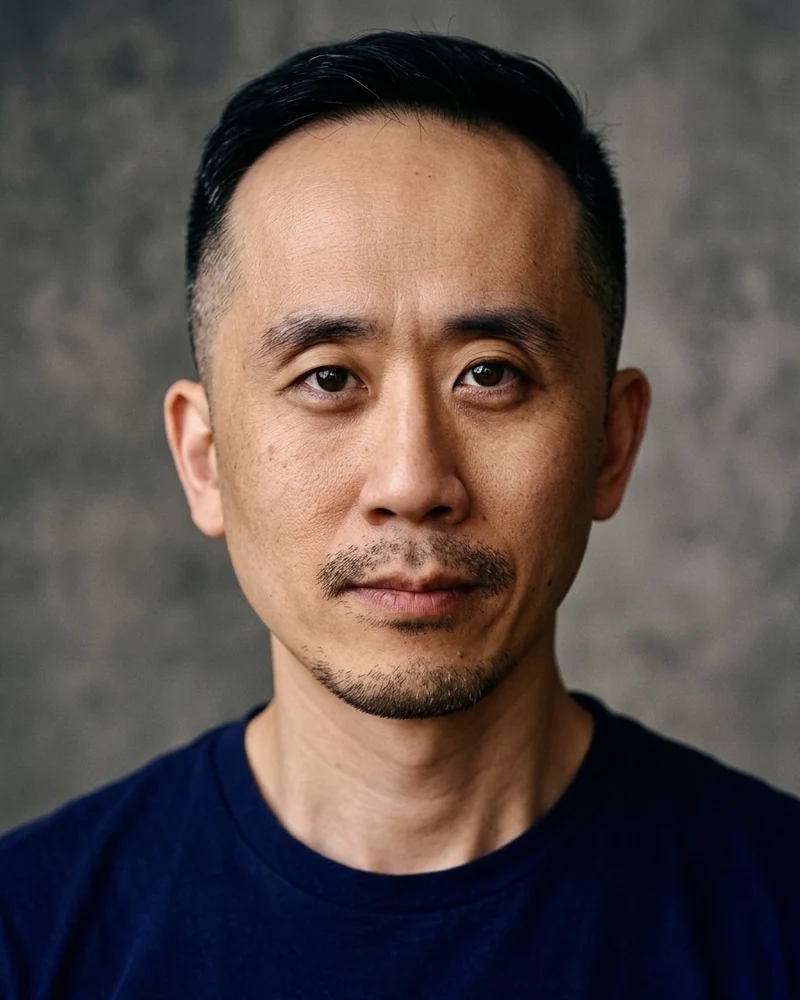
Zichuan Xiong
InfoQ Certified AI-Assisted Engineering Cohort facilitator
Premanand Chandrasekaran
InfoQ Certified AI-Assisted Engineering Cohort facilitator
Facilitated by Zichuan Xiong and Prem Chandrasekaran
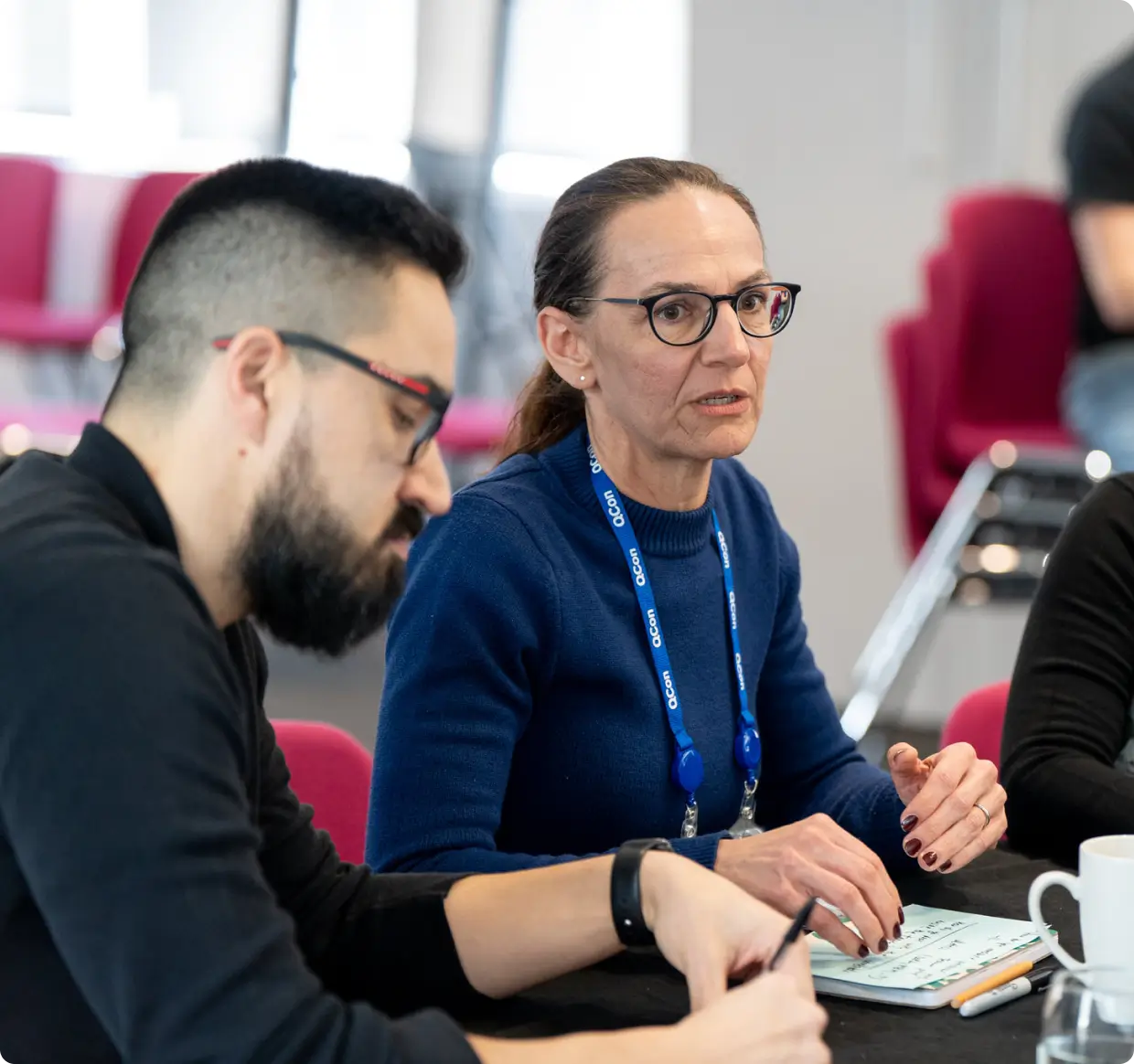
Confidential peer group
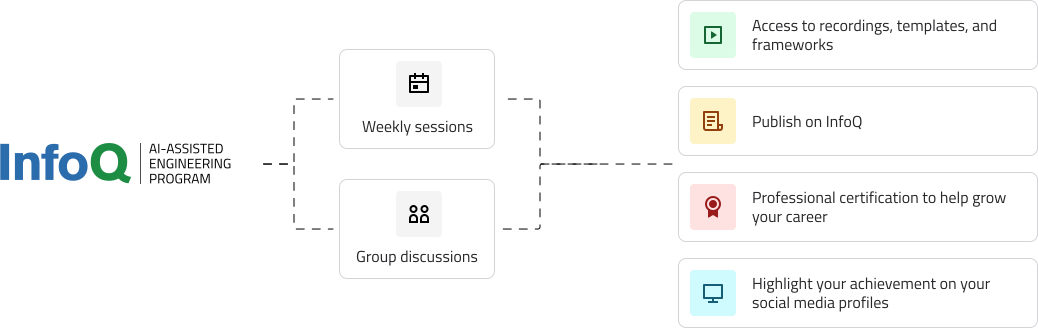
Apply QCon frameworks
Access 100+ QCon videos
Measure your own results
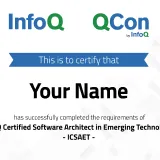
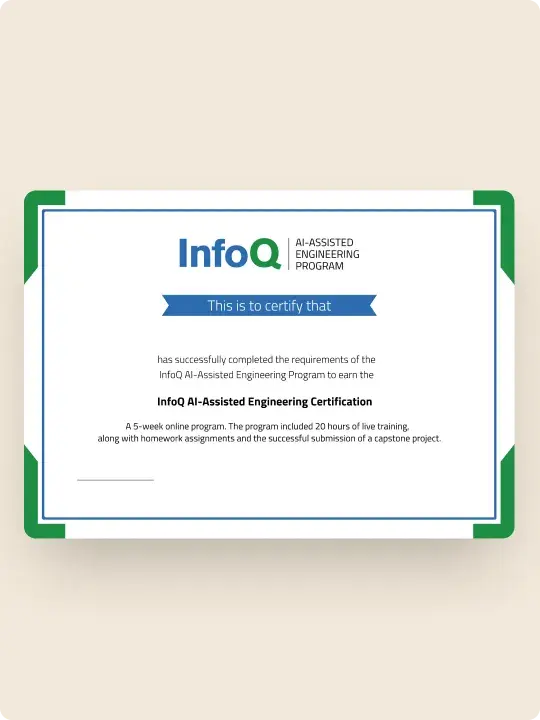
Earn an InfoQ certification
We’ve helped thousands of senior software engineers, software architects and technical leaders adopt the right patterns & practices for over 20 years.
(PST - Los Angeles time)
Most companies reimburse for professional development.
Download our "Convince Your Boss" template.
Use an agent to understand an unfamiliar brownfield codebase, and capture what you learn as durable context files. Onboard the agent like a new team member: least-privilege permissions and sandboxing.
Turn a thin ticket into a requirement an agent and a reviewer can verify against. Add characterization tests and the sensors that let the agent correct itself.
Separate generation from review. Use an independent review harness rather than asking the generating agent to grade its own work, then triage what actually needs a human.
Move verification from your own loop into the pipeline. Place each sensor by cost, add drift and health checks, and govern agents running unattended in CI.
Codify recurring review findings into rules a new team could adopt. Then compare five weeks of your own logged data against what you predicted in week one. The session also covers the capstone presentations.
These online cohorts are for senior engineers and architects who already use a coding agent daily and have hit the point where the interesting questions aren't about prompts. They're about what the agent is allowed to do, what catches it when it's wrong, and how you'd prove to your organization that any of it is working.
Designed for:
Each week, you apply a framework from a QCon talk to the agent workflow you're running at work,
alongside senior engineers and architects from different companies.
Watch a QCon talk on your own time before the session.
Join a 4-hour live session with your facilitators and your cohort.
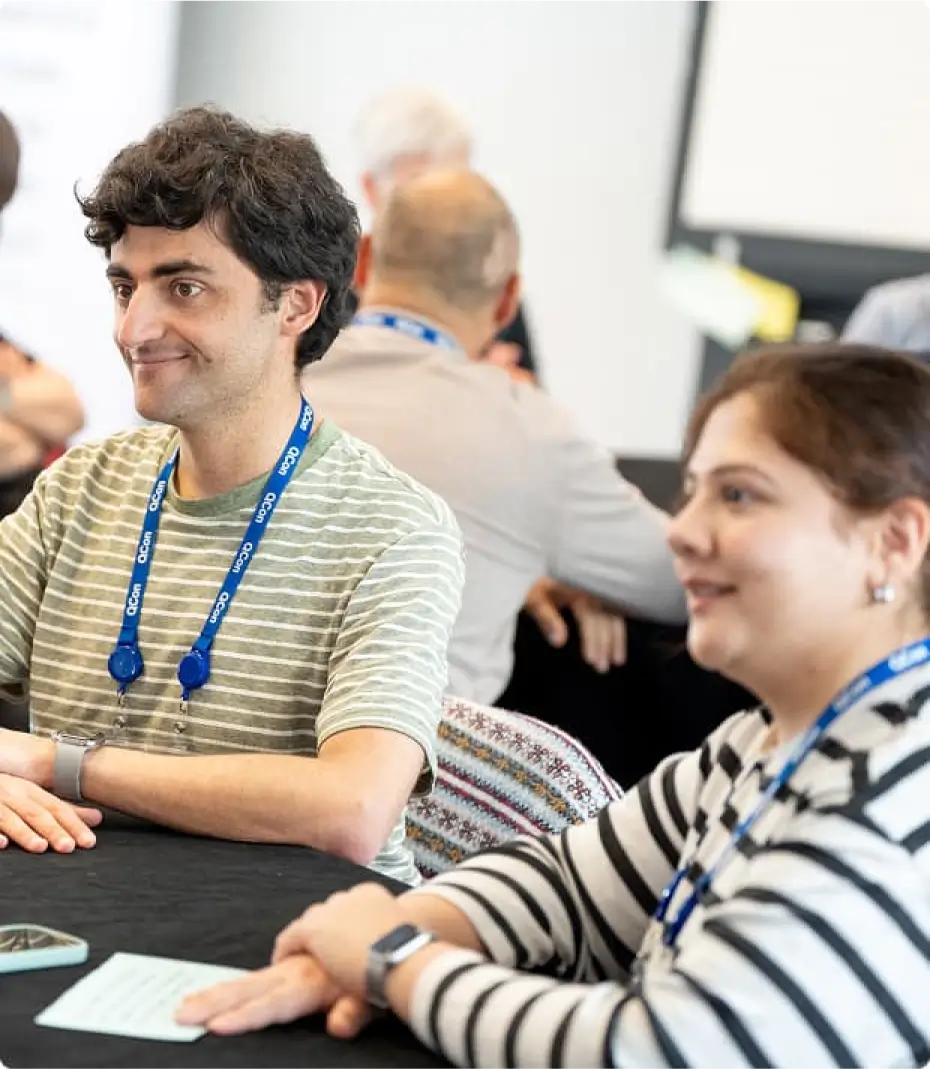
Apply the framework to a real brownfield codebase, sharing what worked and what didn't with the group.
Take away something you can use at work that week.
4 hours of live sessions per week, plus time-boxed homework (max 2 hours). Designed to fit around your work.
Throughout the cohort, you build a harness on a brownfield codebase and log your own results as you go. In week 5, you present it to the cohort.
Apply frameworks from QCon talks to real agent workflows in group exercises. Sessions are 4 hours per week.
Work through permissions, sensors, and review gates with engineers from different companies, industries, and contexts.
Log your own work for five weeks and compare it against what you predicted in week one, rather than guessing whether the agent helped.
Earn an InfoQ certification as proof of your work on AI-assisted engineering.
Zichuan Xiong
InfoQ Certified AI-Assisted Engineering Cohort facilitator
Zichuan Xiong has led architecture and delivery work since 2008 and now builds agentic AI systems for software operations, working with technology and product leaders on where AI capability actually lands. He teaches harness engineering at QCon San Francisco.
Premanand Chandrasekaran
InfoQ Certified AI-Assisted Engineering Cohort facilitator
Premanand Chandrasekaran has spent two decades leading engineering teams across financial services, online retail, education, and healthcare, with a focus on continuous delivery and internal quality. He teaches harness engineering at QCon San Francisco.
No. Sessions are not recorded. This is a deliberate choice to keep all conversations private and confidential, so that participants feel safe sharing real challenges, ongoing decisions, and truthful perspectives from their organizations.
Participants are expected to attend at least 4 out of the 5 live sessions. Consistent attendance is one of the criteria for receiving your InfoQ certification.
If you do need to miss a session:
You can contact us for any payment questions at payments@qconferences.com .
We accept PayPal and major credit cards. A payment charged to your credit card or PayPal account is processed directly by us in the funds stated on the website.
The Terms of Participation can be found at https://certification.qconferences.com/terms-conditions .
Registration fees are not refundable.
Yes, we've developed a template you can use to explain to your boss how you can benefit from the cohort participation.
Yes, in-person cohorts are offered at select QCon conferences, such as QCon London and QCon San Francisco.
You can opt to pay by invoice during the registration process by selecting the "Do You Want to Pay Later by Invoice?" checkbox.
Your invoice reflects the ticket price in effect at the time your payment is due. Invoices are generally due 30 days from the date the order is submitted, or 7 days before the event start date—whichever comes first. To ensure all funds are cleared, the "Pay by Invoice" option will be disabled 14 days prior to each event (subject to change without notice). All invoices must be paid in full no later than 7 days before the event begins.
Please note that only participants who have paid in full will be admitted or receive access credentials. Credit card or PayPal payment is required if you are registering after the invoice deadline or prefer immediate confirmation. Once processed, a receipt marked "Paid" will be emailed to you for your records.
Our Privacy Policy details how we collect, use, and protect your data. You can find it at https://www.infoq.com/privacy-policy .
Yes. The program is open to freelancers and the self-employed. When registering, simply enter your trading name or "Independent" in the Company Details section.
The program is a collaborative initiative between InfoQ and QCon, both of which are practitioner-driven brands owned by C4Media Inc.
InfoQ is a practitioner-driven community news site focused on facilitating the spread of knowledge and innovation in professional software development.
We do not offer scholarships or complimentary seats for the InfoQ Certification at this time. Should this change for future cohorts, we will announce it via our official channels.
We are dedicated to providing a safe and inclusive experience for everyone. Our Code of Conduct can be found at https://certification.qconferences.com/code-conduct .
Participants who registered for the online cohorts will receive an email with detailed instructions on how to join the sessions during the week prior to the start of the cohort.
To ensure an optimal experience, you will need:
The program consists of five live sessions held over five weeks, each lasting four hours, plus weekly assignments and a capstone you build across the five weeks.
Yes, alumni enrolling in a second Certification program receive a $147 discount. To claim your alumni code, please email certification@qconferences.com when ready to register for your second program.
Each weekly session is a 4-hour live session. This is a significant time investment because we apply frameworks to real-world challenges alongside your senior peer group.
This program assumes deep technical expertise and daily use of a coding agent. Each week is structured around a real change in a real codebase. The focus is working through decisions with peers, articulating tradeoffs, and making hard-to-reverse calls.
Some of the most valuable learning happens in peer discussion. Hearing how others think through similar challenges can be just as useful as the session content itself.
Learning with a peer group gives you different perspectives, helps you build confidence, and makes it easier to apply what you learn in your own work. That's why this program is designed around a confidential peer group, live exercises, and expert facilitation, and not just self-paced study.
This cohort gives you the confidential peer group and experienced facilitators to do that work, and you'll earn the InfoQ Certified AI-Assisted Engineering Program certification as a result.
You work a single brownfield repository across all five weeks, building the harness piece by piece. In week 5 you present it to the cohort. What you submit is the harnessed repository, one rule or agent skill you codified from your own recurring review findings, and a write-up comparing your logged results against your week-one predictions.
Certification is awarded for consistent attendance and active participation in the live sessions, plus successful completion of the week 5 submission: the harnessed repository, the codified rule or agent skill, and the measurement write-up.
Certification is awarded based on active participation in the cohort and completion of the week 5 capstone submission.
Senior, lead, and principal engineers, staff engineers, software architects, technical leads, platform and SRE engineers, and engineering managers and directors with at least 5 years of experience who are already using coding agents on production code.
The harness is everything in an AI coding agent except the model: the context you give it, the permissions it runs under, the sensors that catch mistakes, and the review and CI gates it has to pass. The term came out of OpenAI's write-up on their internal agent infrastructure in early 2026 and was extended by Birgitta Böckeler's guides and sensors model on martinfowler.com. This cohort is five weeks of building one against a real codebase.
The hands-on exercises anchor on Claude Code, and we recommend Claude Max or API access. The principles transfer to Cursor, GitHub Copilot, and other agents, so you can follow along with the agent your team already uses.
You build the harness against a shared brownfield capstone repository provided for the cohort, so everyone works from the same starting point and can compare approaches. The techniques are designed to carry straight back to the codebase you work in day to day.
The AI Engineering cohort is for engineers building AI systems: RAG and context pipelines, agent design, evaluation, and the infrastructure underneath them. This cohort is for engineers building any software with the help of coding agents. If you ship a product that has AI in it, start there. If you ship a product that AI helps you write, start here.
Securing and governing AI systems in production. Sensitive data handling, threat modeling and red teaming, controls and sandboxes, observability and evals, governance and auditing
The sociotechnical side of architecture. Trade-offs and communication, decentralized decision-making, platform engineering, AI architecture decisions.
Move from writing code to setting technical direction. Four hours a week, across five weeks, with Michelle Brush. Test your decisions with senior peers.
Building production software with AI coding agents. Codebase comprehension, agent permissions and sandboxing, sensors and self-correction, independent review, CI for unattended agents.
Building AI systems that hold up in production. AI-native engineering, RAG and context pipelines, AI agents, platform and infrastructure, evals and reliability.
Date: Dates to be announced
We're adding more cohorts over the coming weeks. To be the first to know when they are live, sign up for our email notifications.
Get email updatesJoin the waitlist to get early access and updates on the InfoQ Online Certification Programs and our conferences. Be the first to know when a cohort opens.
We'll only email you with relevant updates about this program and our conferences.